улица Шунда, научно-технический промышленный парк,посёлок Линьчэн, город Синхуа, провинция Цзянсу, Китай.
 English
 русский
 Español
 عربى
عربى
Да — приспособления для термообработки являются одним из наиболее важных, но часто упускаемых из виду факторов в достижении точности размеров, целостности поверхности и повторяемости качества во время термической обработки. Без правильно спроектированных приспособлений даже самая совершенная печь не сможет предотвратить коробление, деформацию или неравномерное затвердевание. В этом руководстве рассматривается все, что производителям необходимо знать об приспособлениях для термообработки: от материалов и типов до критериев выбора и сравнения затрат.
Контент
- 1 Что такое приспособления для термообработки и почему они имеют значение?
- 2 Какие типы приспособлений для термообработки доступны?
- 3 Какие материалы используются в приспособлениях для термообработки?
- 4 Как приспособления для термообработки влияют на качество деталей?
- 5 Какой процесс термообработки требует какого типа приспособления?
- 6 Как правильно выбрать приспособление для термообработки?
- 7 Каковы наилучшие методы обслуживания приспособлений для термообработки?
- 8 Стандартные и специальные приспособления для термообработки: что подойдет именно вам?
- 9 Каковы последние тенденции в проектировании приспособлений для термообработки?
- 10 Часто задаваемые вопросы об устройствах для термообработки
- 10.1 Вопрос: Как часто следует заменять приспособления для термообработки?
- 10.2 Вопрос: Можно ли отремонтировать приспособления для термообработки, а не заменить?
- 10.3 Вопрос: В чем разница между приспособлением для термообработки и приспособлением для печи?
- 10.4 Вопрос: Как свести к минимуму загрязнение приспособлений в вакуумных печах?
- 10.5 Вопрос: Существуют ли отраслевые стандарты, регулирующие проектирование приспособлений для термообработки?
- 10.6 Вопрос: Как вес светильника и тепловая масса влияют на энергопотребление?
- 11 Вывод: разумно инвестируйте в приспособления для термообработки.
Что такое приспособления для термообработки и почему они имеют значение?
Приспособления для термообработки — это специализированные опорные конструкции или удерживающие устройства, используемые для поддержания положения, формы и ориентации металлических компонентов во время термических процессов, таких как отжиг, закалка, отпуск, цементация и азотирование. Они обеспечивают равномерное воздействие тепла на детали и сохранение геометрии в условиях высоких температур.
В точных отраслях, таких как аэрокосмическая, автомобильная и медицинская промышленность, отклонение даже в 0,1 мм, вызванное термической деформацией, может привести к браку деталей или дорогостоящей доработке. Приспособления для термообработки снижают этот риск, ограничивая или направляя деталь на протяжении всего цикла нагрева и охлаждения.
Ключевые роли приспособлений для термообработки включают в себя:
- Предотвращение искажений: Удержание тонкостенных или асимметричных деталей в правильной ориентации для противодействия ползучести под действием силы тяжести при повышенных температурах.
- Равномерный нагрев: Последовательное расположение нескольких деталей таким образом, чтобы каждая из них подвергалась одинаковому термическому воздействию.
- Эффективность нагрузки: Увеличение производительности печи за счет безопасного штабелирования или расположения компонентов.
- Повторяемость: Разрешение операторам повторно загружать приспособления партия за партией, уменьшая количество человеческих ошибок.
Какие типы приспособлений для термообработки доступны?
Существует несколько различных категорий приспособлений для термообработки, каждая из которых подходит для различных процессов, геометрии деталей и объемов производства. Выбор неправильного типа может ухудшить качество детали и увеличить эксплуатационные расходы.
1. Корзины и подносы
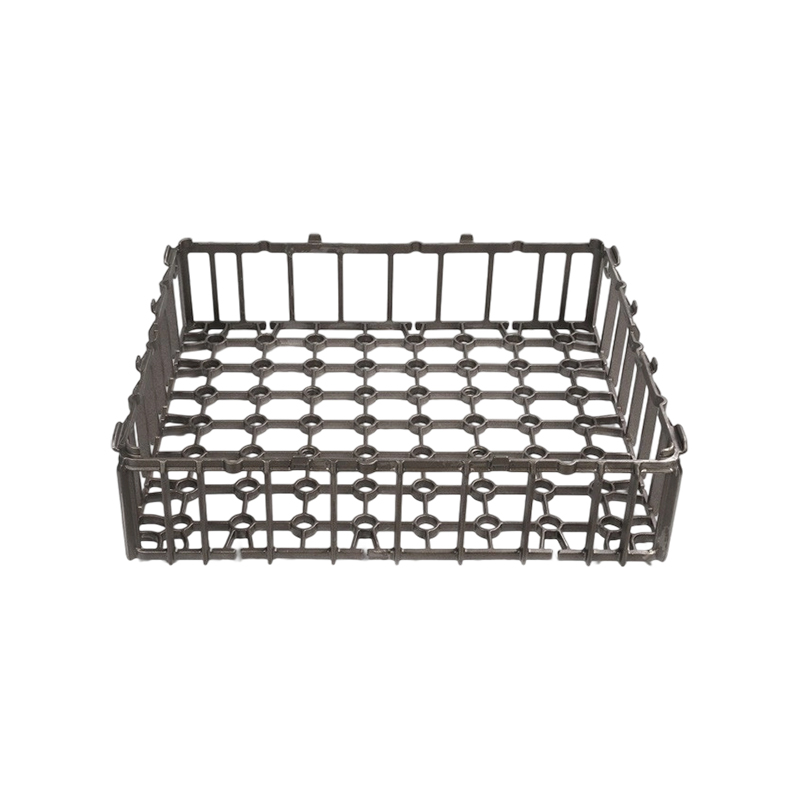
Корзины из проволочной сетки и противни со сплошным дном являются наиболее распространенным типом приспособлений для термообработки. Они используются для пакетной обработки мелких и средних деталей и обеспечивают хорошую циркуляцию атмосферы. Типичные области применения включают цементацию небольших шестерен, болтов и штамповок. Сетчатые корзины позволяют быстро проникать закалочной среде, что очень важно при закалке маслом или газом.
2. Решетки и решетки
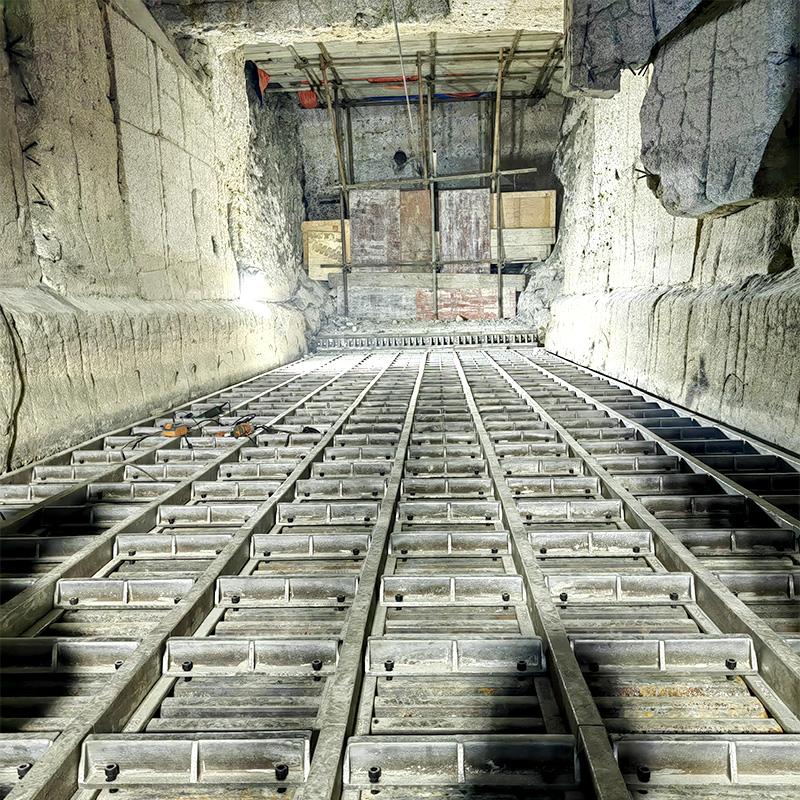
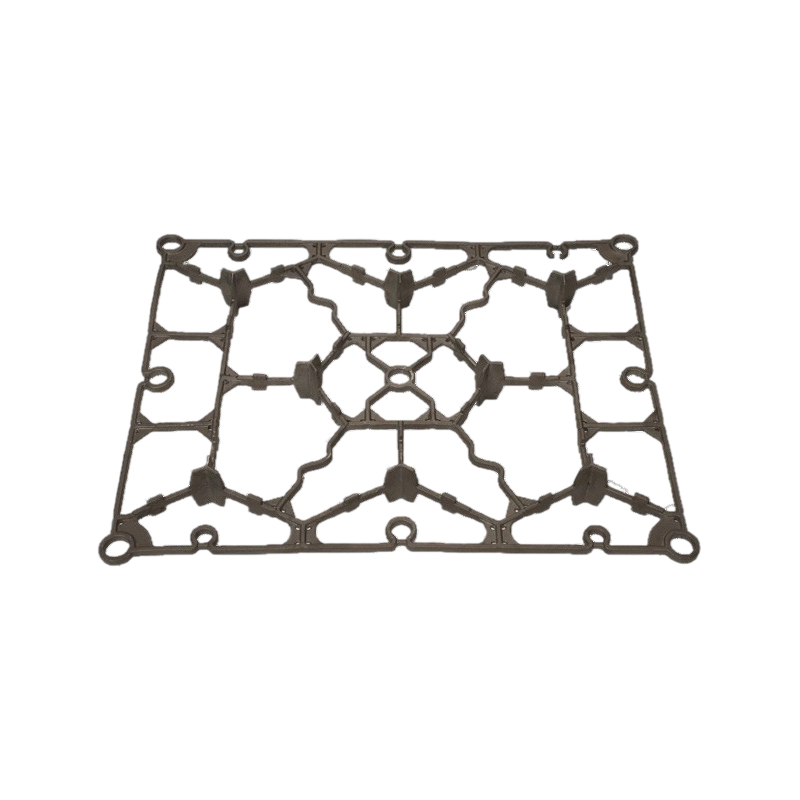
Литые или сборные решетки представляют собой плоские опорные платформы, которые поднимают детали над полом печи или глушат, улучшая циркуляцию газа под компонентами. Они особенно эффективны в толкательных печах и системах с роликовым подом, где требуется непрерывный поток.
3. Приспособления и оправки
Прецизионные приспособления и оправки — это специально разработанные приспособления для термообработки, используемые для поддержания внутренних или внешних размеров во время термообработки. Например, оправка, вставленная в зубчатый венец, предотвращает сжатие или овальность отверстия во время закалки. Эти приспособления обычно изготавливаются из жаропрочных сплавов и представляют собой значительные инвестиции, но они окупаются за счет исключения операций правки.
4. Лотки со специальными держателями
Некоторые приспособления для термообработки сочетают в себе базовый лоток с специально отформованными углублениями, штифтами или зажимами для удержания деталей в точной ориентации. Они используются при азотировании и вакуумной термообработке, где точное позиционирование влияет на однородность глубины гильзы на сложных поверхностях деталей.
5. Подвесные светильники и подвесные системы.
Длинные валы, трубки и пружины во время термообработки часто подвешивают вертикально к приспособлениям, чтобы предотвратить провисание. Подвешивание на крюках или стержнях позволяет силе тяжести действовать симметрично, что важно для обеспечения допусков по прямолинейности более ±0,05 мм на метр.
Какие материалы используются в приспособлениях для термообработки?
Выбор материала для приспособлений для термической обработки, пожалуй, является наиболее важным инженерным решением, поскольку он напрямую влияет на срок службы, устойчивость к термоциклированию и совместимость с технологическими процессами. Ниже приводится подробное сравнение наиболее широко используемых материалов.
| Материал | Максимальная температура (°C) | Устойчивость к окислению | Сопротивление науглероживания | Типичная жизнь (циклы) | Относительная стоимость |
| Жаростойкая нержавеющая сталь (310S) | 1100 | Хорошо | Умеренный | 500–1000 | Низкий |
| Никель-хромовый сплав (НК-40) | 1150 | Очень хорошо | Хорошо | 1000–2000 | Средний |
| Инконель 601 | 1200 | Отлично | Очень хорошо | 2000–5000 | Высокий |
| Карбид кремния (SiC) | 1650 | Отлично | Отлично | 3 000–10 000 | Очень высокий |
| Графит | 2500 (инертный) | Плохой (окисляет) | Н/Д (только вакуум) | 500–2000 | Средний |
Как приспособления для термообработки влияют на качество деталей?
Неправильная поддержка деталей во время термообработки может привести к степени деформации, превышающей 15–30%, что приведет к браковке или дорогостоящим вторичным операциям, таким как шлифовка и правка. Приспособления для термообработки напрямую контролируют три критически важные для качества переменные:
Термическая однородность
Когда детали складываются без креплений, они могут касаться друг друга или стенок печи, создавая холодные пятна, которые приводят к образованию мягких зон или неравномерной глубине корпуса. Хорошо спроектированное приспособление для термообработки размещает компоненты с интервалом минимум 10–15 мм, чтобы обеспечить полную циркуляцию атмосферы. При газовой цементации одна только эта разница в расстоянии может изменить однородность глубины гильзы от ±0,15 мм до ±0,03 мм.
Стабильность размеров
При температуре выше 800°С низколегированные стали приближаются к порогу ползучести. Без ограничений от термообработки приспособления, тонкие фланцы, длинные валы и кольцеобразные детали деформируются под собственным весом. Правильно спроектированная оправка или зажимное приспособление могут уменьшить овальность с 0,4 мм до менее 0,05 мм на зубчатых венцах с диаметром отверстия 150 мм.
Защита поверхности
В таких процессах, как вакуумная закалка и светлый отжиг, контакт металла с металлом между деталью и приспособлением может вызвать появление следов на поверхности или диффузионную сварку. Крепления с керамическим покрытием или графитовой термообработкой предотвращают эти дефекты, сохраняя чистоту поверхности прецизионно отшлифованных компонентов.
Какой процесс термообработки требует какого типа приспособления?
Различные термические процессы предъявляют совершенно разные требования к светильникам с точки зрения совместимости с атмосферой, температурного диапазона и механической нагрузки. Соответствие типа приспособления технологическому процессу важно как для качества детали, так и для долговечности приспособления.
| Процесс термообработки | Температурный диапазон | Атмосфера | Рекомендуемый тип светильника | Ключевое требование к креплению |
| Газовая цементация | 900–950°С | Эндотермический обогащающий газ | Сетчатая корзина, решетки | Устойчивость к науглероживанию |
| Вакуумная закалка | 1000–1200°С | Высокий vacuum | Графитовые или молибденовые лотки | Незагрязняющая поверхность |
| Азотирование | 480–570°С | Аммиак/плазма | Прецизионные приспособления, подвески | Равномерный поток газа вокруг детали |
| Отжиг | 650–900°С | Воздух/защитный газ | Литые противни, решетки | Грузоподъемность, плоскостность |
| Закалка | 150–650°С | Воздух | Стандартные стальные лотки | Разделение частей и поддержка |
Как правильно выбрать приспособление для термообработки?
Выбор правильного приспособления для термообработки требует систематической оценки геометрии детали, параметров процесса, объема производства и общей стоимости владения. Вот практическая основа:
Шаг 1. Определите среду процесса
Начните с определения пиковой температуры, типа атмосферы и метода охлаждения. Приспособление, подходящее для газовой цементации при температуре 950°C в эндотермической атмосфере, может быстро выйти из строя в вакуумной среде, где будут выделяться газы и загрязняться печь. Всегда сверяйте совместимость материала приспособления с химическим составом технологического газа.
Шаг 2. Анализ геометрии детали и риска искажения
Наибольшему риску деформации подвержены тонкостенные цилиндры, зубчатые венцы, длинные валы и асимметричные штамповки. Для этого требуются активные удерживающие приспособления — оправки, зажимы или инструменты для закалки прессом. Простые симметричные детали, такие как болты и диски, можно обрабатывать в корзинах с минимальным риском.
Шаг 3: Рассчитайте грузоподъемность приспособления
При повышенных температурах даже высокопроизводительные сплавы теряют значительную часть предела текучести при комнатной температуре. Например, для приспособления из нержавеющей стали 310S предел текучести 200 МПа при комнатной температуре может упасть всего до 80 МПа при 1000°C. Это означает, что поперечное сечение крепежа должно быть рассчитано с коэффициентом запаса прочности, как минимум в 3 раза превышающим ожидаемую нагрузку при максимальной рабочей температуре.
Шаг 4. Оцените срок службы приспособления по сравнению с первоначальной стоимостью
Стандартная корзина из нержавеющей стали 310S может стоить 150–400 долларов и выдерживать 800 циклов цементации. Эквивалент Inconel 601 может стоить 900–2000 долларов, но выдерживать 3000 циклов. При производственном цикле в 10 000 циклов приспособление Inconel значительно более экономично в пересчете на цикл. Анализ совокупной стоимости владения приспособления для термообработки всегда должен учитывать трудозатраты на замену, время простоя и брак из-за отказа приспособления.
Каковы наилучшие методы обслуживания приспособлений для термообработки?
Правильное обслуживание оборудования для термообработки позволяет продлить срок его службы на 30–60 % и предотвратить непредвиденные поломки, нарушающие график производства. Следующие рекомендации применимы ко всем типам светильников и материалам:
- Регулярный визуальный осмотр: Перед каждым циклом проверяйте приспособления на предмет трещин, деформации, образования окалины и целостности сварных соединений. Даже незначительные трещины в креплениях из литого сплава могут быстро распространяться под воздействием термоциклических напряжений.
- Контролируемая загрузка: Никогда не превышайте номинальную грузоподъемность светильника. Перегрузка ускоряет деформацию ползучести и снижает точность размеров как приспособления, так и деталей.
- Удаление накипи: В печах с воздушной атмосферой со временем на поверхностях приспособлений накапливается оксидная накипь. Периодическая дробеструйная очистка или химическое удаление окалины предотвращает отслаивание окалины на поверхности деталей и изолирующие части приспособления, вызывая появление горячих точек.
- Рекорды вращения и охлаждения: Записывайте подсчет циклов и периодические проверки размеров. Установите критерии вывода из эксплуатации — например, снимайте корзину, если прогиб основания превышает 5 мм или если какая-либо часть стены имеет утончение более чем на 20 % от первоначальной толщины.
- Правильное охлаждение: Дайте приспособлениям остыть контролируемым образом после закалки. Быстрое охлаждение креплений из горячего сплава в ваннах для ударной закалки в холодной воде может привести к растрескиванию даже таких высококачественных материалов, как Инконель 601.
- Хранение: Храните приспособления в горизонтальном положении или с вертикальной опорой, чтобы предотвратить искажения, вызванные силой тяжести, во время хранения в окружающей среде, особенно для больших сетчатых лотков и решетчатых систем.
Стандартные и специальные приспособления для термообработки: что подойдет именно вам?
Стандартные готовые приспособления для термообработки обеспечивают более низкие первоначальные затраты и немедленную доступность, в то время как приспособления, спроектированные по индивидуальному заказу, обеспечивают превосходную производительность для сложных деталей и крупносерийного производства.
| Фактор | Стандартные светильники | Пользовательские светильники |
| Время выполнения | В наличии / 1–2 недели | 4–16 недель |
| Первоначальная стоимость | Низкий ($100–$600) | Высокий ($500–$15,000 ) |
| Часть подходит | Общий — может потребоваться адаптация | Точное соответствие геометрии детали |
| Контроль искажений | Умеренный | Отлично |
| Лучшее для | Мастерские, мелкие партии, разработка | Высокий-volume, precision, aerospace |
Каковы последние тенденции в проектировании приспособлений для термообработки?
В отрасли изготовления приспособлений для термообработки происходят значительные инновации, обусловленные аддитивным производством, современной керамикой и инструментами проектирования на основе моделирования. Особого внимания заслуживают три тенденции:
Металлические светильники, напечатанные на 3D-принтере
Селективное лазерное плавление (SLM) и направленное энергоналожение (DED) позволяют производителям изготавливать приспособления для термообработки со сложной внутренней решетчатой структурой, что позволяет снизить вес приспособлений до 40–60% по сравнению с цельнолитыми. Более легкие светильники означают меньшую тепловую массу, более быстрый нагрев и снижение энергопотребления за цикл. Благодаря этим технологиям время изготовления прототипа приспособления сократилось с 12 недель до менее 2 недель.
Светильники из керамического матричного композита (CMC)
Крепления CMC, сочетающие волокна карбида кремния в матрице SiC, вводятся в эксплуатацию в условиях сверхвысоких температур, превышающих 1400°C, что ранее было невозможно для светильников из металлических сплавов. Крепления CMC сочетают в себе химическую инертность керамики с повышенной прочностью, устраняя один из традиционных недостатков монолитных керамических светильников — хрупкое разрушение от термического удара.
Анализ методом конечных элементов (FEA) при проектировании светильников
Ведущие производители приспособлений теперь регулярно используют моделирование FEA для прогнозирования искажений приспособлений, поведения ползучести и распределения температурных напряжений перед изготовлением прототипов. Такой подход сокращает количество итераций проектирования с 4–6 физических испытаний в среднем до 1–2, сокращая время разработки и затраты на оснастку примерно на 35–50%.
Часто задаваемые вопросы об устройствах для термообработки
Вопрос: Как часто следует заменять приспособления для термообработки?
Универсального интервала замены не существует — вывод из эксплуатации приспособлений должен основываться на данных проверки размеров, а не на календарном времени. Большинство операторов устанавливают базовые размеры при вводе в эксплуатацию и устанавливают пороговые значения выхода из эксплуатации, такие как максимальный прогиб или минимальная толщина стенки. Типичный срок службы корзин для цементации из нержавеющей стали 310S составляет 500–1000 циклов; для эквивалентов Inconel 601 в том же применении при правильном обслуживании достижимо 2000–4000 циклов.
Вопрос: Можно ли отремонтировать приспособления для термообработки, а не заменить?
Да, во многих случаях. Крепления из литого сплава можно ремонтировать сваркой с использованием соответствующих присадочных сплавов при условии, что ремонт выполняется квалифицированным сварщиком и для восстановления коррозионной стойкости применяется отжиг на раствор после сварки. Изготовленные сетчатые корзины могут иметь повторно сваренные секции или выпрямление рам, если деформация умеренная. Однако приспособления, демонстрирующие развитую межкристаллитную коррозию или сквозное растрескивание, должны быть немедленно сняты с эксплуатации, чтобы предотвратить выход из строя печи.
Вопрос: В чем разница между приспособлением для термообработки и приспособлением для печи?
В промышленности эти термины часто используются как взаимозаменяемые. Строго говоря, приспособление для печи относится к любому оборудованию, используемому внутри печи термической обработки, тогда как приспособление для термообработки специально поддерживает детали во время процесса металлургической термообработки, такого как закалка, отжиг или цементация. На практике различие незначительно, но термин приспособления для термообработки более распространен в металлургическом секторе и секторе промышленной термообработки.
Вопрос: Как свести к минимуму загрязнение приспособлений в вакуумных печах?
Выбирайте материалы крепежа с низким давлением пара при рабочей температуре. Молибден, графит и специально разработанные тугоплавкие сплавы предпочтительны для вакуумной термообработки, поскольку они не выделяют значительно газов и не загрязняют атмосферу печи. Избегайте приспособлений, которые подвергались воздействию масел, солей или науглероживающей атмосферы, поскольку остаточное загрязнение может ухудшить целостность вакуума и повлиять на химический состав поверхности детали.
Вопрос: Существуют ли отраслевые стандарты, регулирующие проектирование приспособлений для термообработки?
Хотя не существует единого универсального стандарта, охватывающего исключительно приспособления для термообработки Соответствующие рекомендации можно найти в AMS 2750 (требования к пирометрии и термической обработке для аэрокосмической отрасли), стандартах ASTM для жаропрочных сплавов и спецификациях конечных пользователей OEM-производителей в аэрокосмической отрасли (например, требования NADCAP). Конструкции светильников, используемых в цехах термической обработки, аккредитованных NADCAP, должны быть совместимы с документированными пирометрическими исследованиями, а это означает, что размещение светильников может влиять и должно быть проверено в рамках исследований однородности температуры (TUS).
Вопрос: Как вес светильника и тепловая масса влияют на энергопотребление?
Вес светильника напрямую увеличивает тепловую нагрузку печи. В типичной печи периодического действия приспособления могут составлять 20–40% от общего веса загрузки. Тяжелые приспособления требуют более длительного времени выдержки для достижения однородности температуры, что увеличивает время цикла и затраты энергии на деталь. Легкие приспособления, достигаемые за счет решетчатой конструкции, тонкостенного литья или выбора более легких сплавов, могут снизить потребление энергии за цикл на 10–25 %, согласно документально подтвержденным производственным исследованиям.
Вывод: разумно инвестируйте в приспособления для термообработки.
Приспособления для термообработки — это не просто пассивное вспомогательное оборудование, а прецизионные инженерные инструменты, которые напрямую определяют металлургическое качество и качество размеров каждой детали, обрабатываемой в ходе термического цикла. Правильное приспособление, изготовленное из правильного материала, разработанное для конкретного процесса и геометрии детали и правильно обслуживаемое, многократно окупается за счет уменьшения количества брака, устранения операций по правке и стабильного качества партии.
Независимо от того, управляете ли вы небольшой мастерской, производящей несколько сотен деталей в месяц, или крупным поставщиком автомобилей, эксплуатирующим непрерывные печи, дисциплина проектирования креплений заслуживает такого же пристального внимания, как выбор печи, контроль атмосферы и металлургические спецификации. Относитесь к приспособлениям для термообработки как к основной переменной процесса, а не как к второстепенной мысли, и тогда последует улучшение качества.